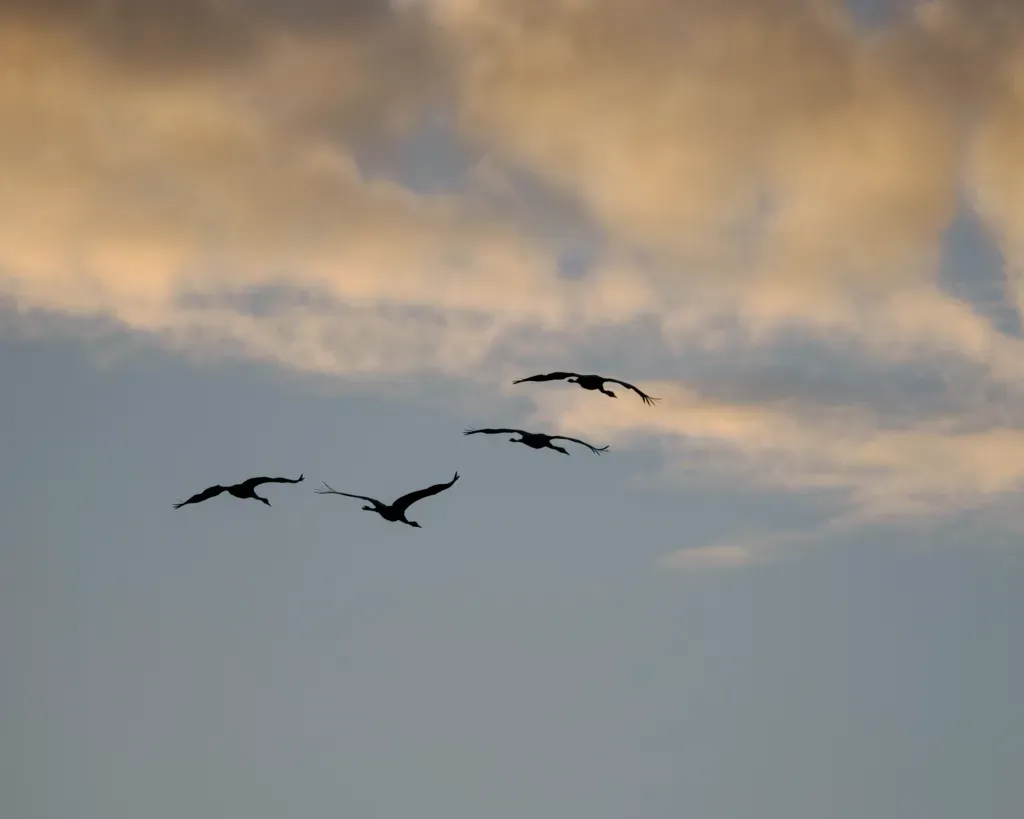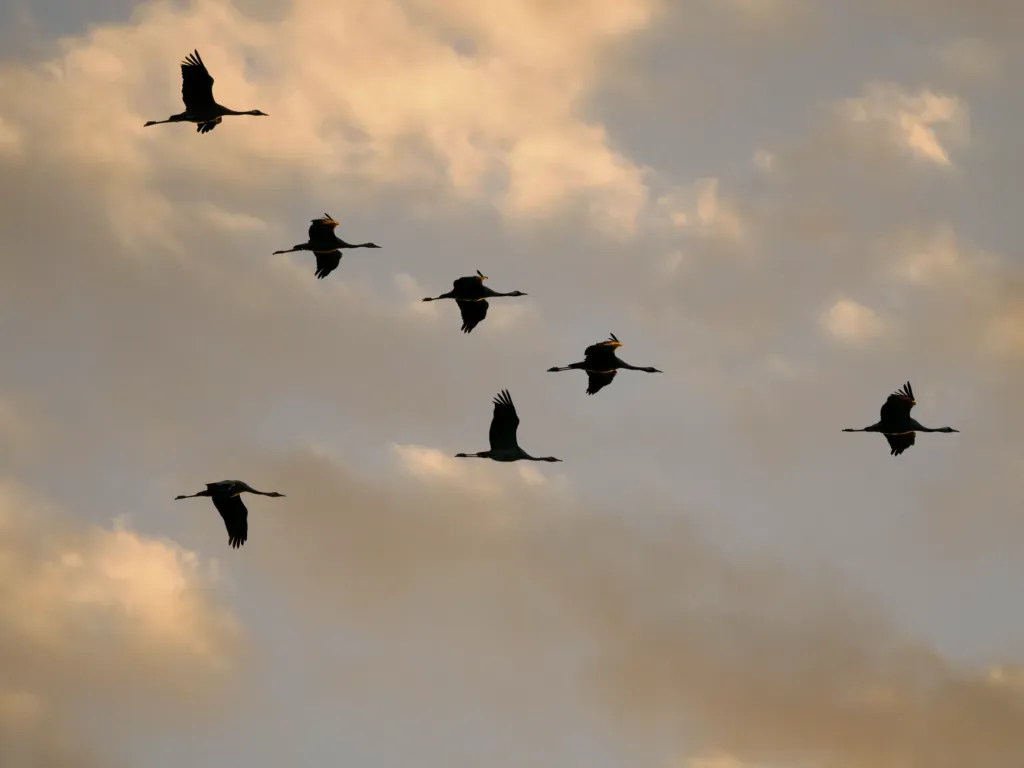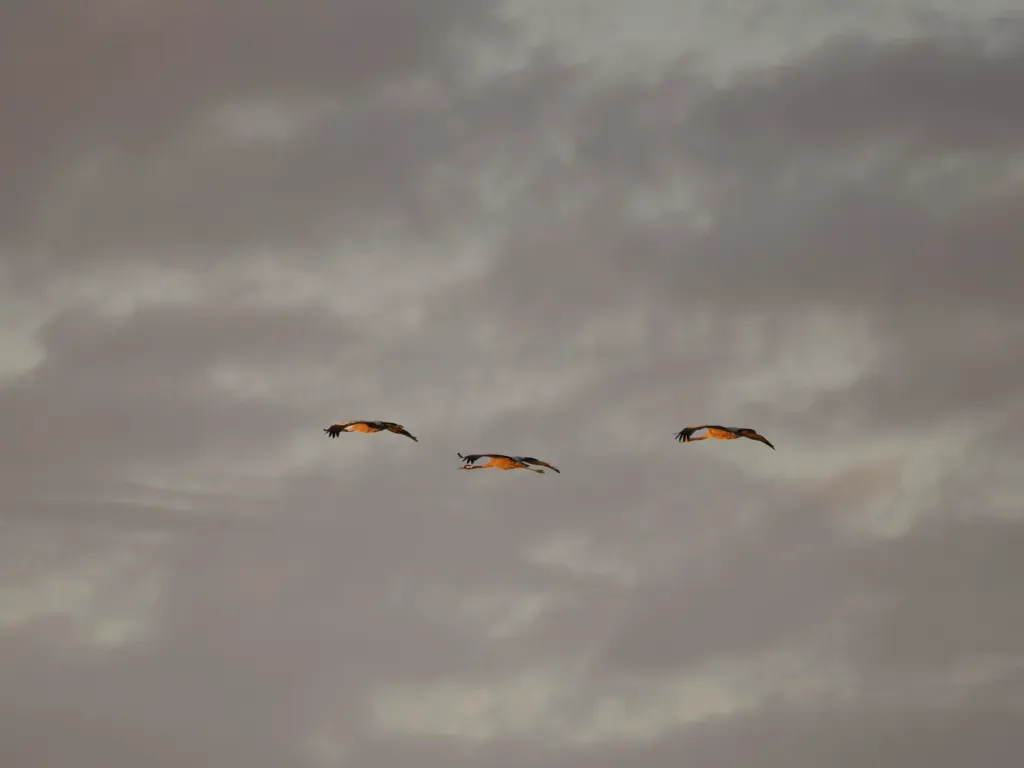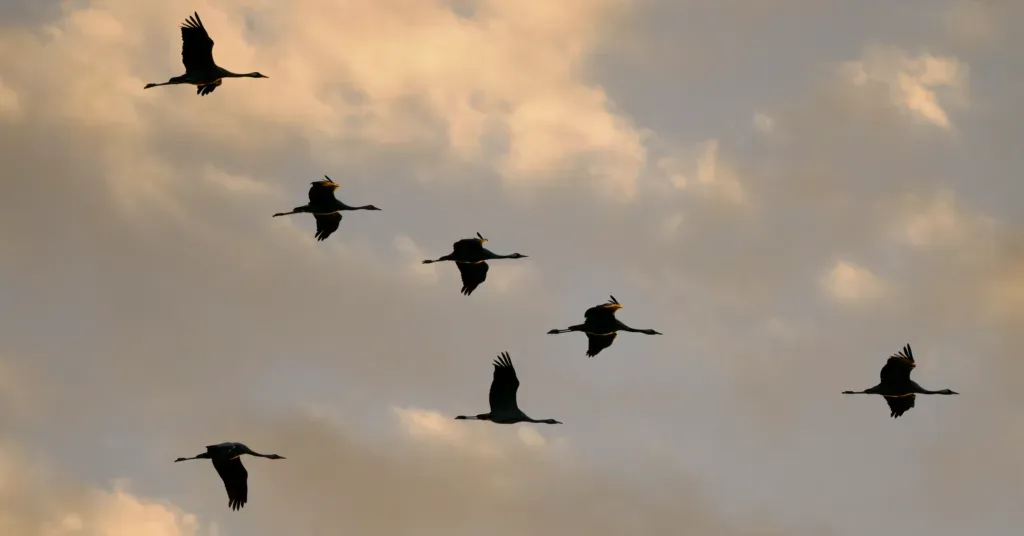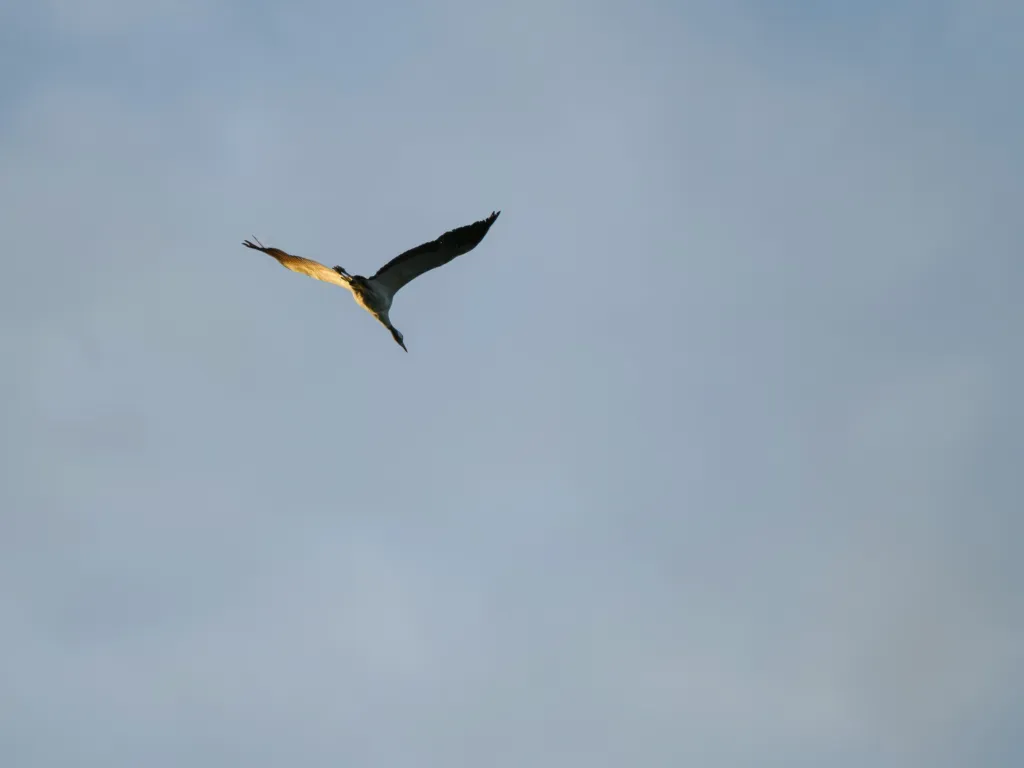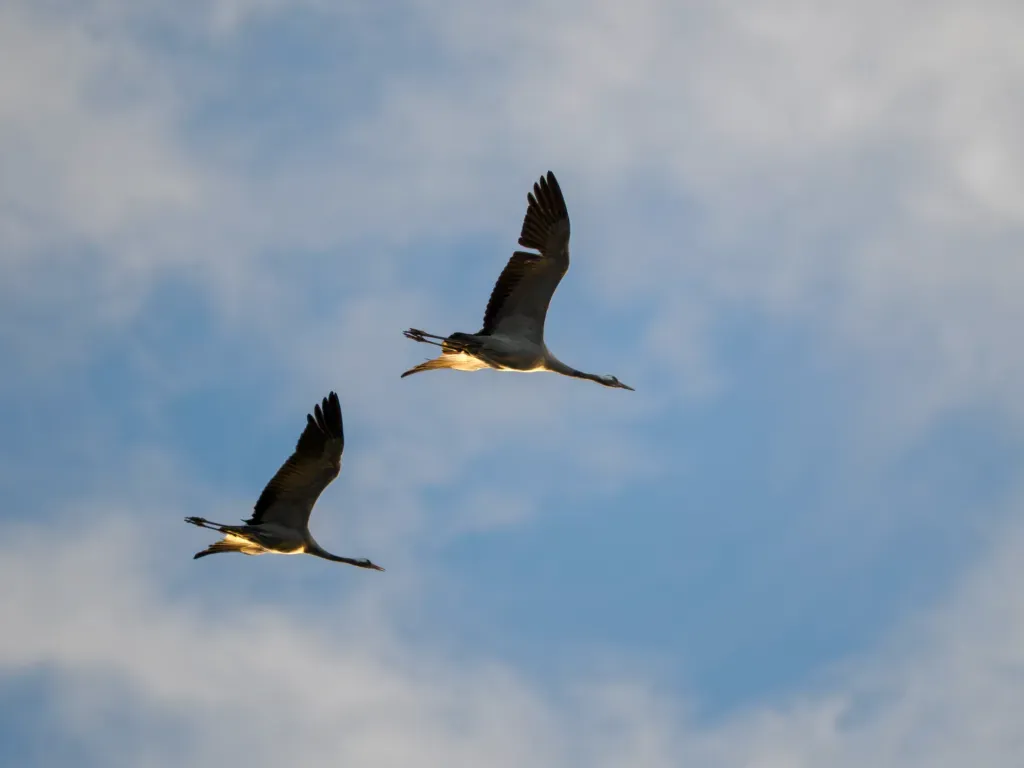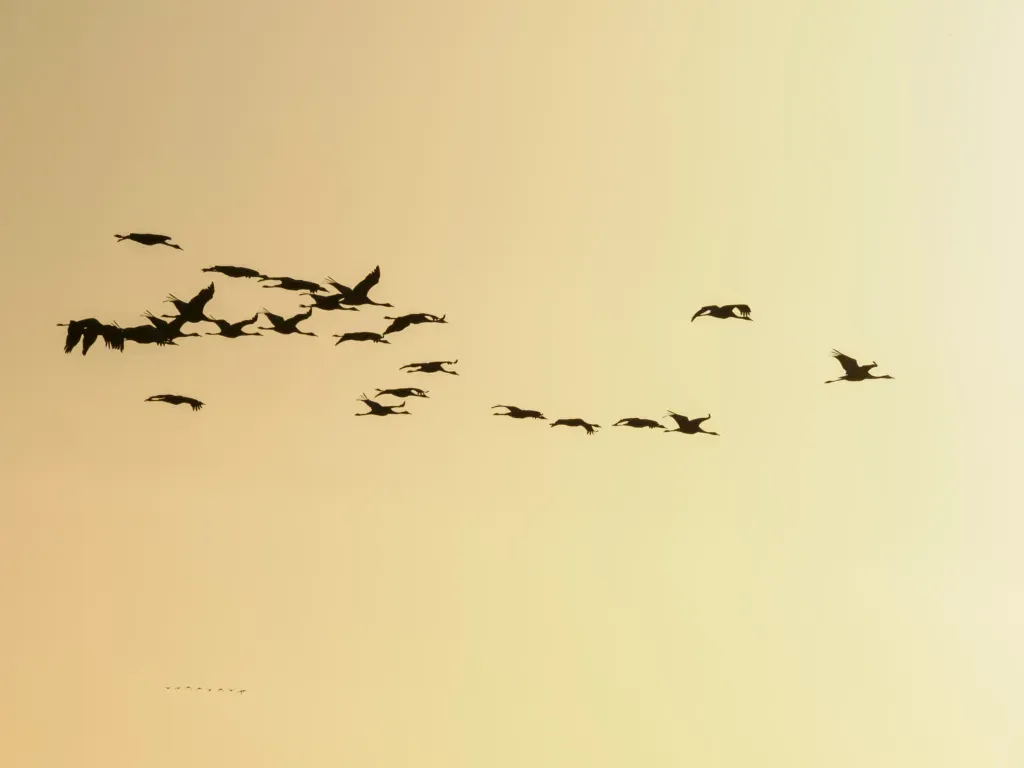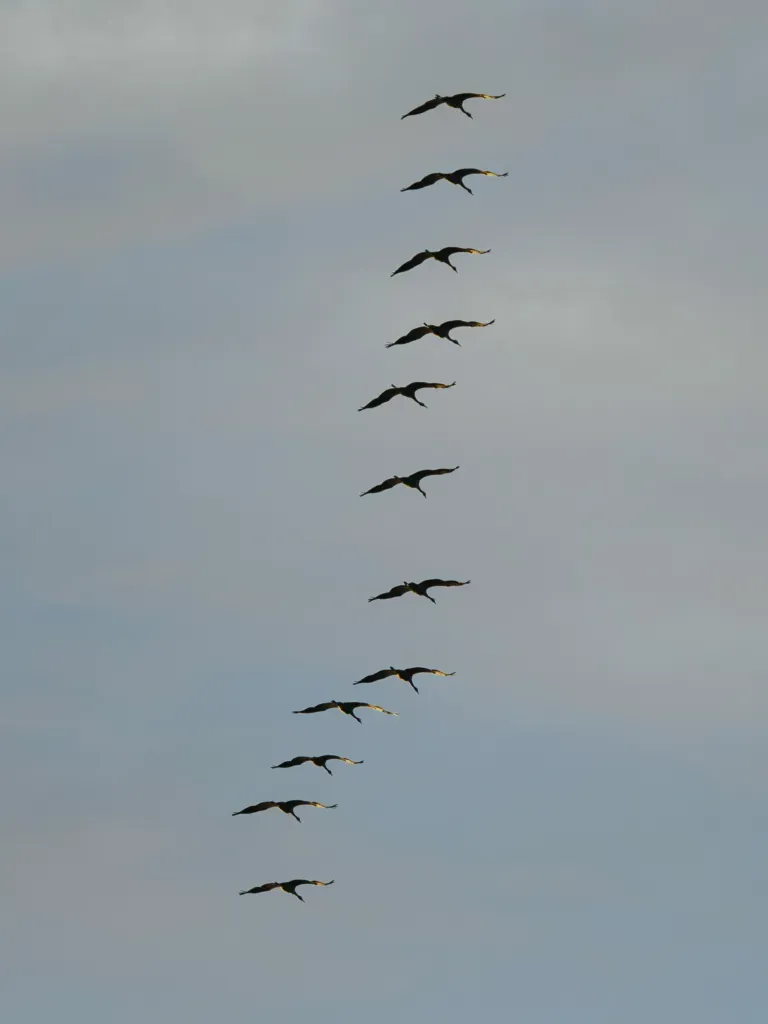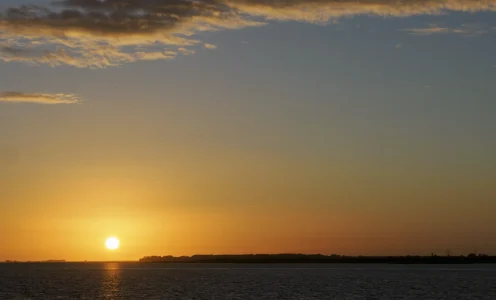
The Darß is a popular holiday region for families in summer. In 2008, Zingst launched the environmental photo festival “Horizonte Zingst,” which draws photographers to the north-west corner of Germany all year round with great exhibitions and workshops. The festival itself peaks in late May and early June, when thousands of visitors flock to Zingst to celebrate photography. I’ve been there myself a few times in spring and always enjoyed the atmosphere. This year, though, I wanted to experience Zingst in autumn. I booked a room for a long weekend to photograph the crane migration and the red deer rut. The weather was fantastic and nature played along too – a perfect weekend to photograph cranes and red deer on the Darß. I came home with a ton of great images.
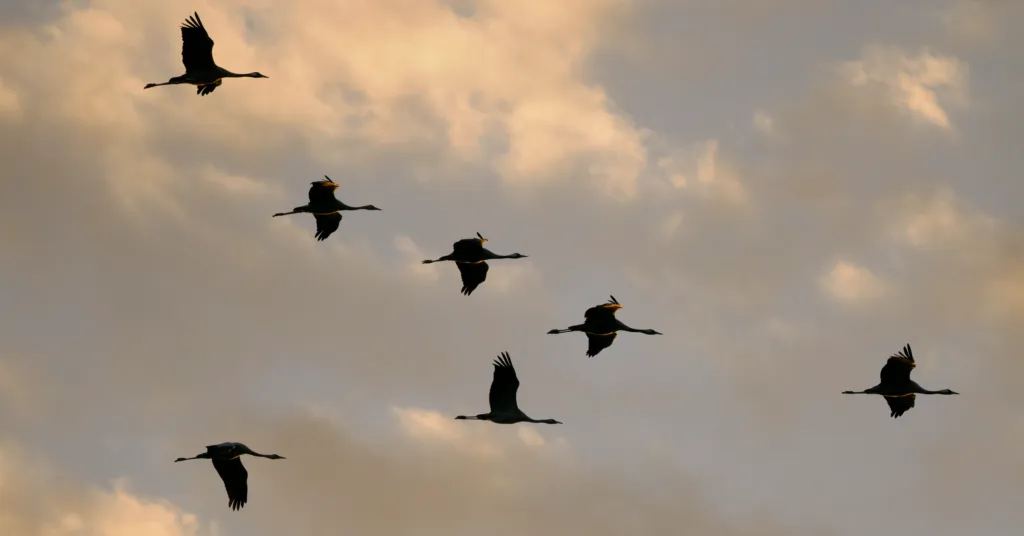
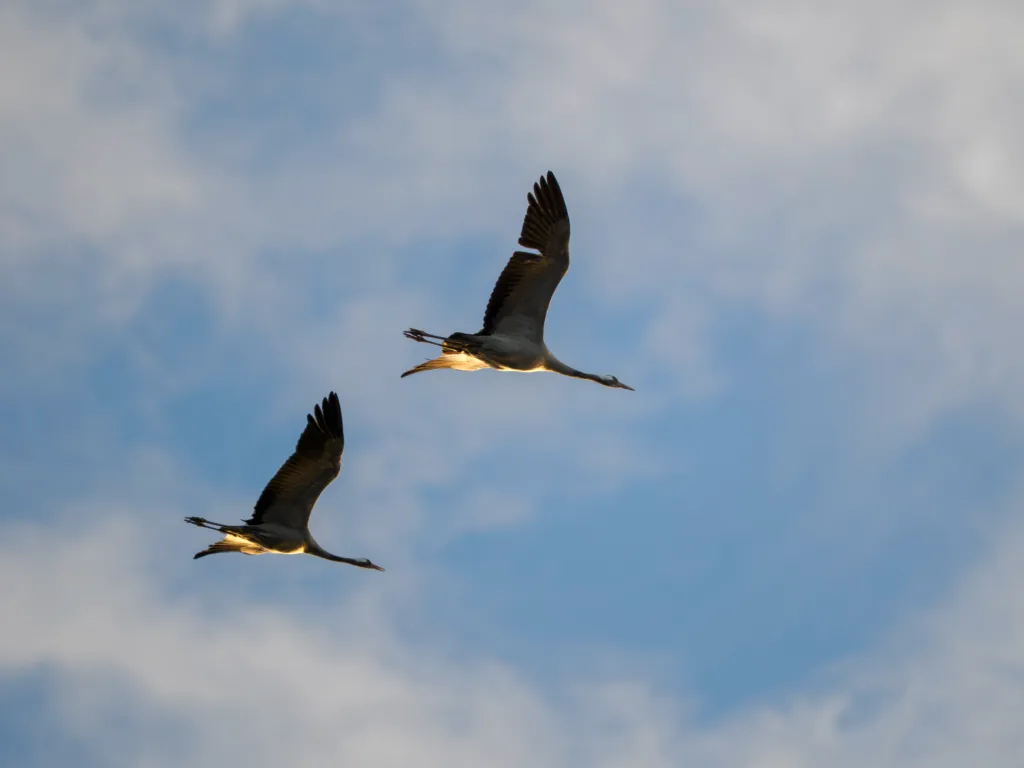
Cranes
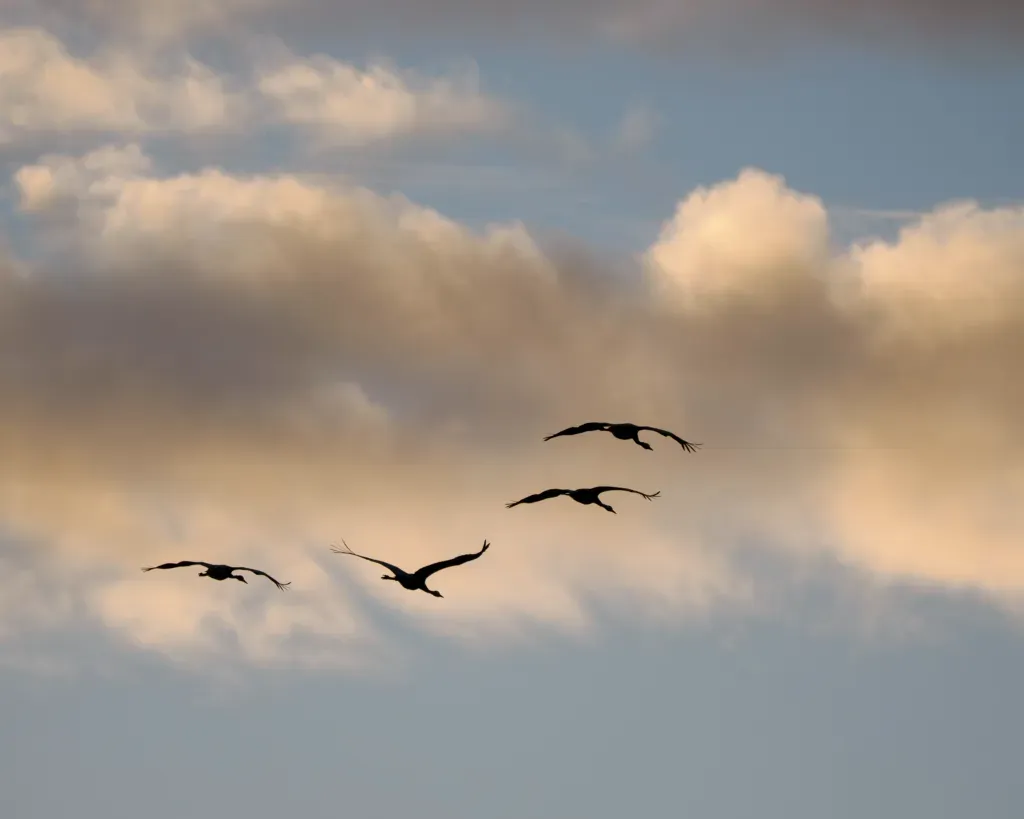
Since 1978, the “Bodden waters east of Zingst, west coast of Rügen – Hiddensee” have held Ramsar status as a wetland of international importance under the 1971 Ramsar Convention. So the area on the Darß east of Zingst has been protected for roughly 50 years now. Since 1990 it has also been part of the Vorpommersche Boddenlandschaft National Park. The reason is that this area plays a major role in the crane migration from the northern breeding grounds to the southern wintering grounds. This is where the cranes rest to gather strength for the rest of their journey, which is exactly why we have a special responsibility to make sure the birds aren’t disturbed. Even so, there are options for interested visitors and photographers – though many observation spots limit the number of people allowed.
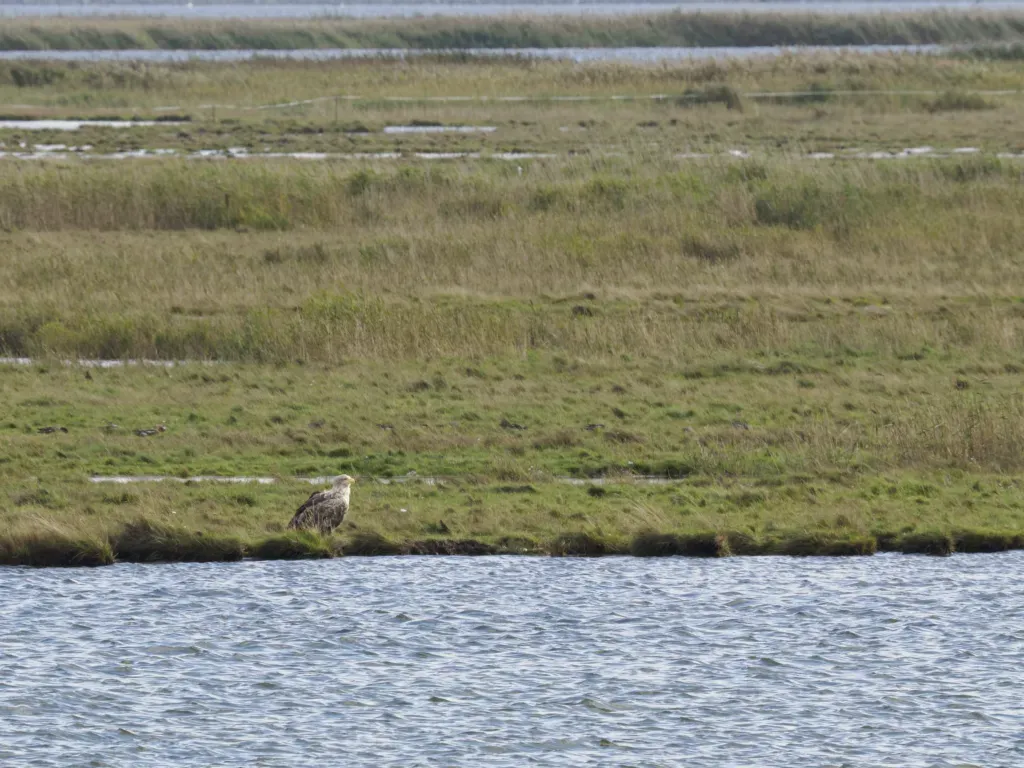
I’d booked late and rather spontaneously, so I couldn’t get access to Pramort. As an alternative, I booked a crane-watching boat trip instead. From the water you get relatively close to Pramort and can watch the birds coming in to land. If you want to get into bird photography in general, my article Getting Started with Bird Photography has practical tips to help you begin. If you’d rather have birds of prey in front of your lens, I can recommend my report Photographing White-Tailed Eagles.
Red Deer
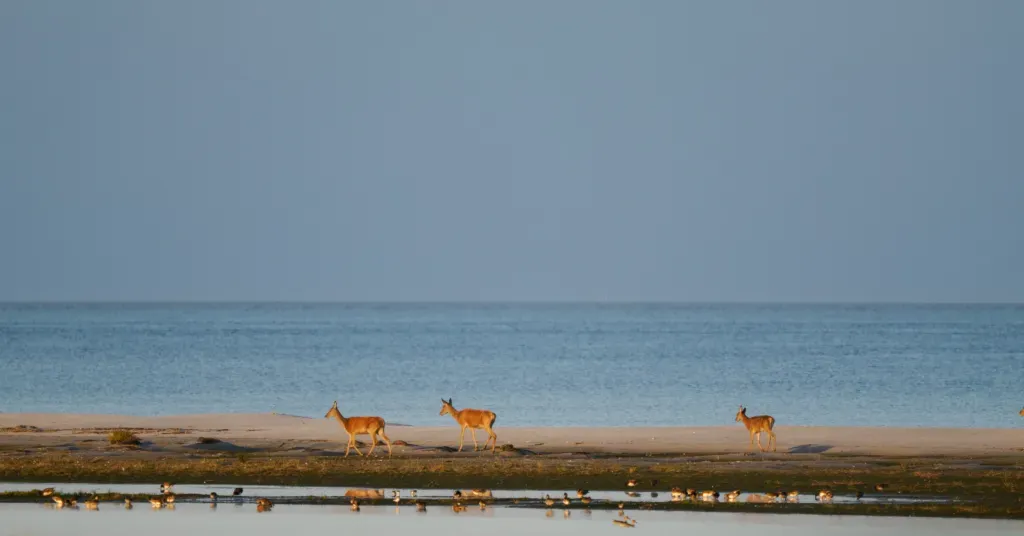
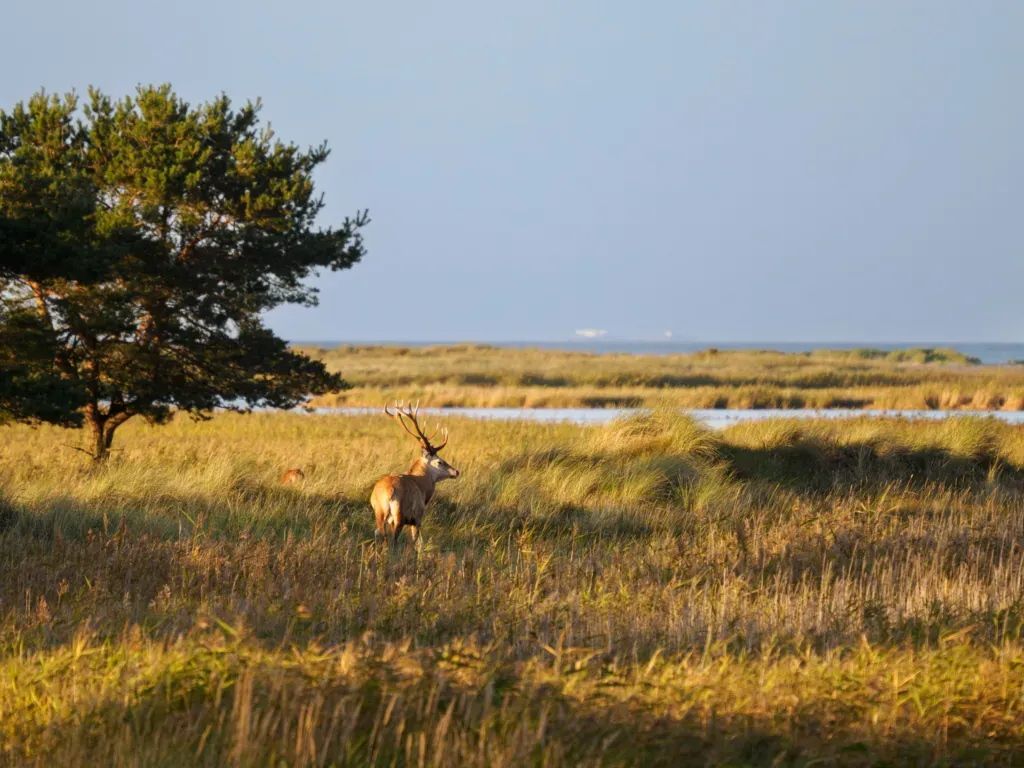
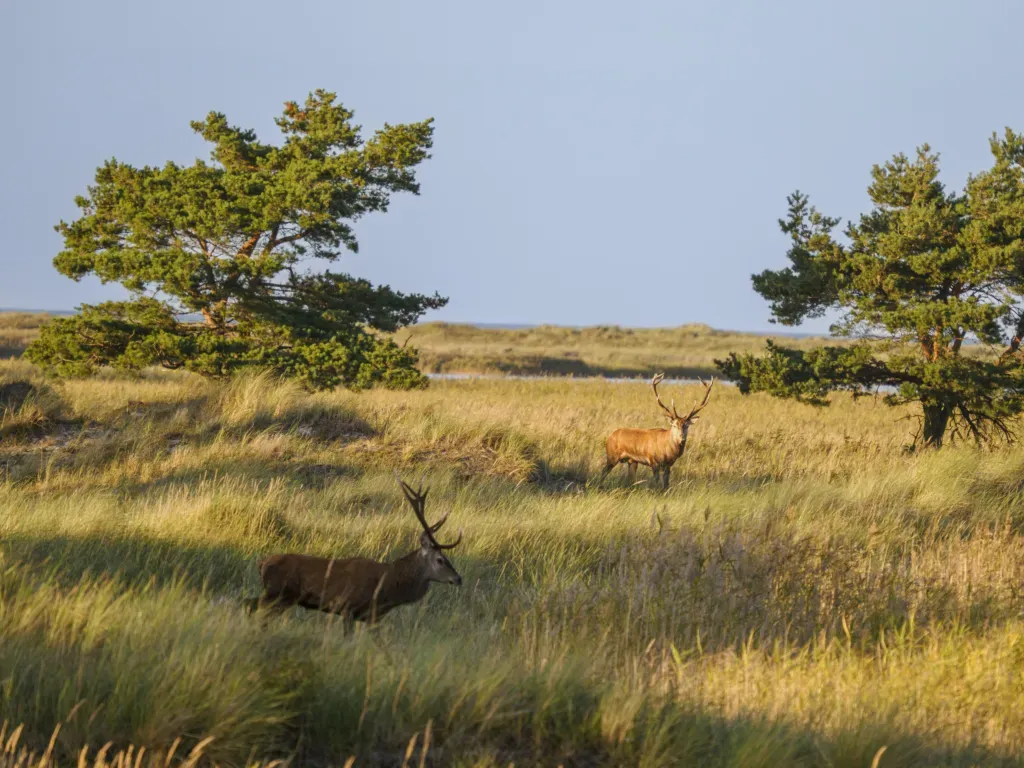
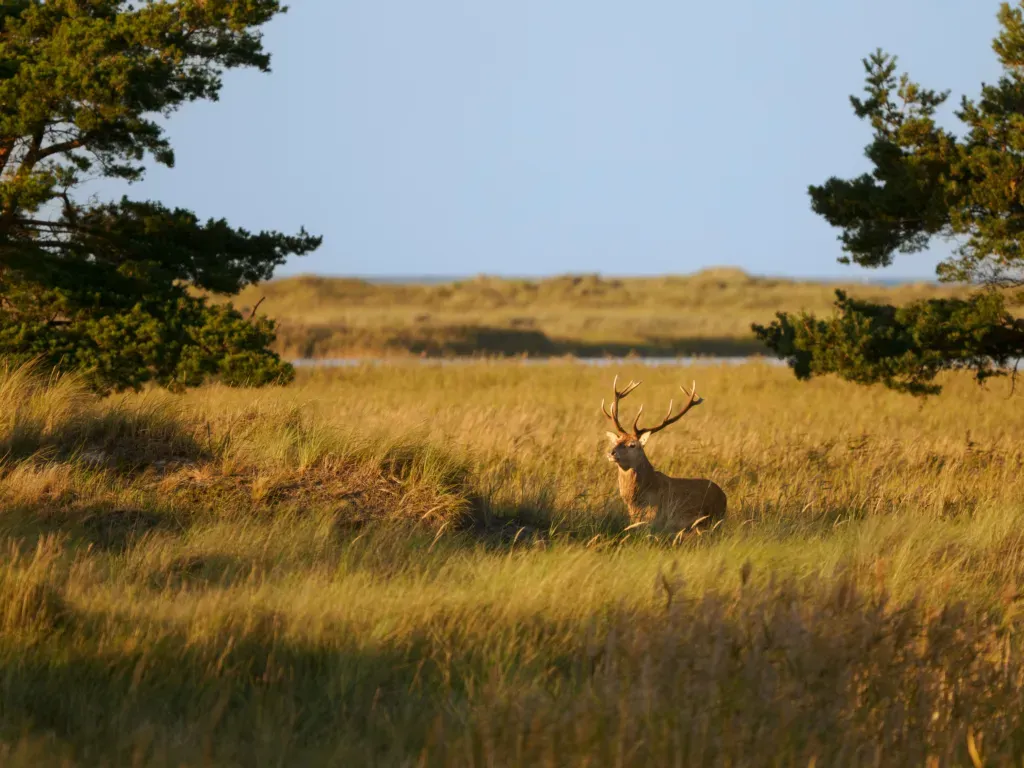
In theory you can also spot red deer at Pramort, but as I mentioned, I couldn’t get access there. As an alternative, head to the Darßer Ort area in the north-west of the Darß, near Prerow. Several observation platforms there are positioned so you can watch the animals well without disturbing them too much. Even so, you should always stay quiet at these spots. I parked at the Bernstein Ost car park and walked to the platform at the former emergency harbour – a good 3.5 km. Alternatively, you can also rent a bike, either from one of the many local rental shops or via MV-Rad, which has a rental station right at the Bernstein Ost car park. It’s best to get to the platform two to three hours before sunset. The platform gets busy, but there’s enough room for everyone.
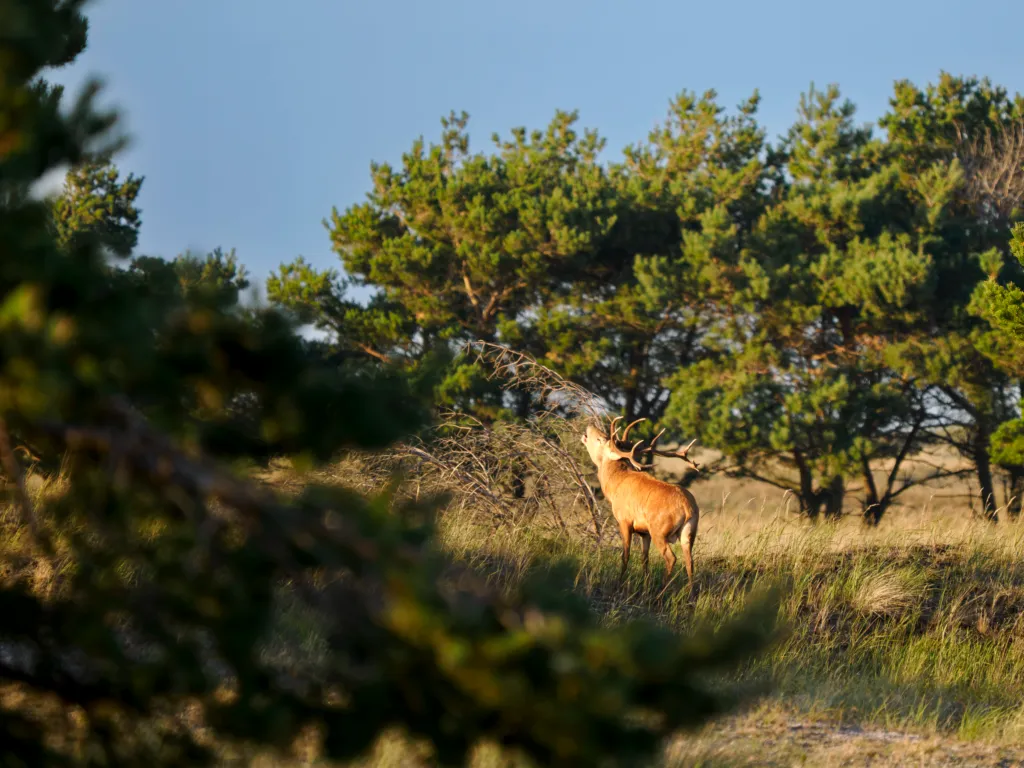
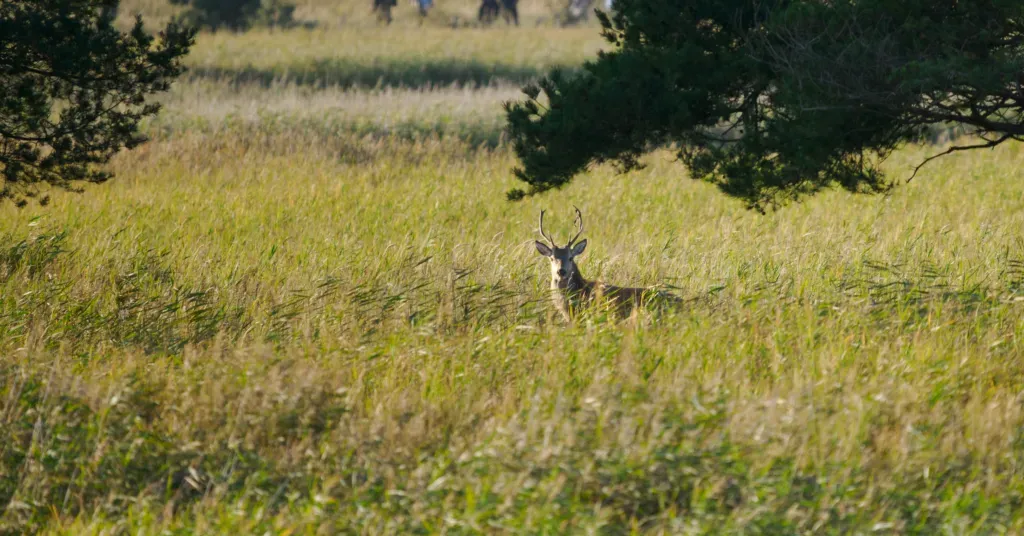
As soon as we arrived at the platform, we could already hear the deer roaring – not just one, but several. At first, though, we didn’t see any. That’s how it goes with nature: it takes patience, but you’re usually rewarded in the end. We first spotted a younger stag walking through the reeds, and then the dominant stag right in front of us in the open landscape. It’s a wonderful feeling to watch nature and see how relaxed the animals are when we humans simply give them enough space.
Best Time to Visit for Cranes and Red Deer
If you want to experience both natural spectacles on one trip, timing matters. The red deer rut usually starts in early September and peaks between mid- and late September, tapering off into October. The crane migration sets in a little later: the first birds start gathering on the Darß from mid-September, with the crane rest period usually peaking between early October and early November – though this can shift depending on the weather. So if you travel in late September, like I did, you have a good chance of catching both events at once. For photographers, the window around sunrise and sunset is especially rewarding, since that’s when the cranes fly in and out and the deer are more active in the low light. One more tip: book on weekdays if you can – both the observation platforms and the crane boat trips get noticeably busier on weekends.
Conclusion
If you want to experience nature in Germany, the Darß is definitely a great option. As described above, the best window is usually between late September and early October, when you have a good chance of observing both cranes and red deer behaving naturally. Add the right photo gear to the mix – I of course had my M.Zuiko 150-400mm F4.5 with me – and you can capture beautiful images without disturbing the animals. What are your favourite spots for watching wildlife? Let me know in the comments – I’d love to hear about it!