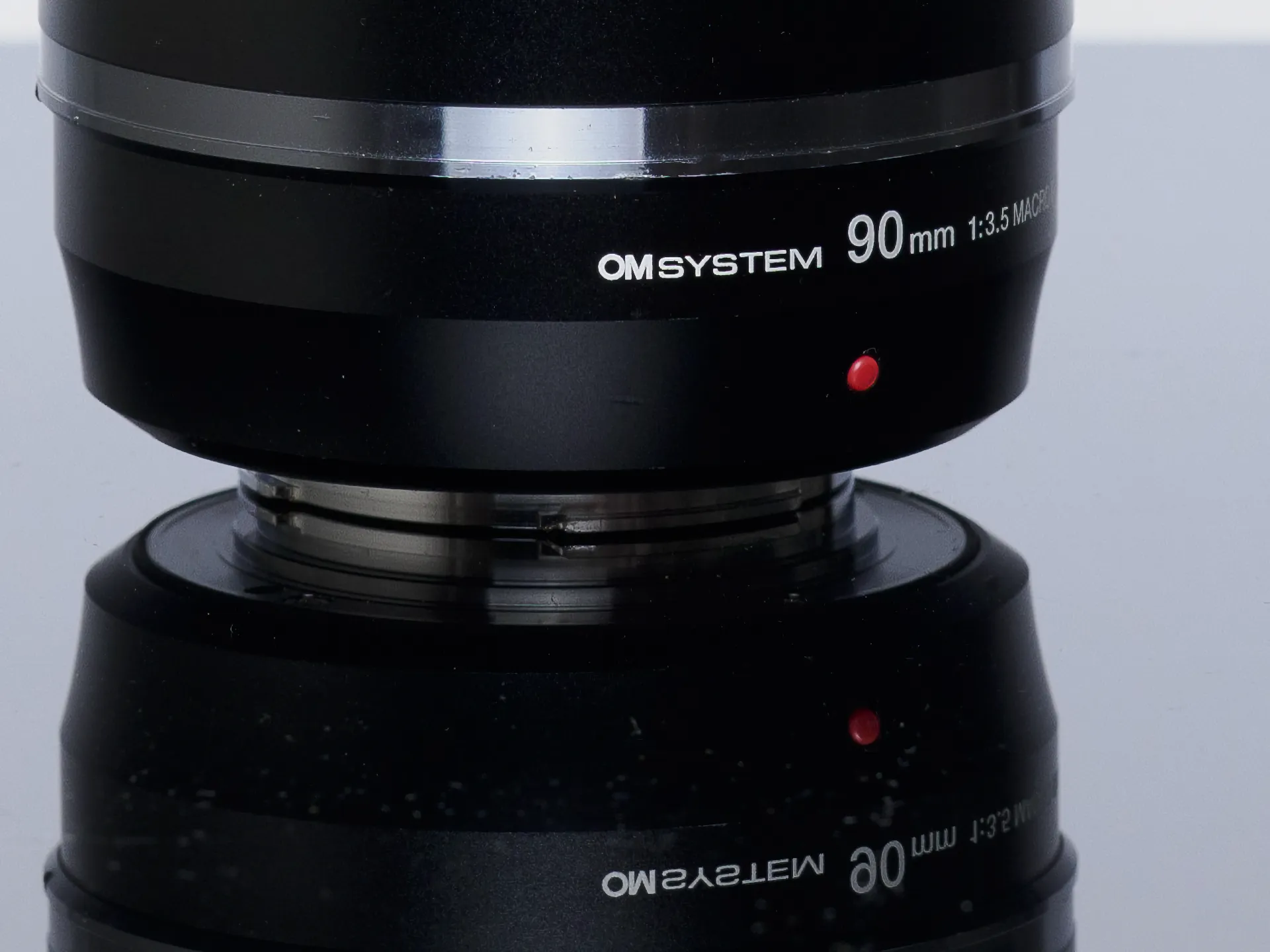
Over the years, first with Olympus and later with OM Digital Solutions cameras, I’ve had the chance to try out all three OM System macro lenses available. My experience with the M.Zuiko 90mm F3.5 PRO is the freshest, since OM Digital Solutions lent it to me for two weeks of testing. I own the M.Zuiko 60mm F2.8 myself, and I tested the M.Zuiko 30mm F3.5 a while ago. Time to sort things out and figure out who each lens is really for. All three lenses have their place and their own use cases.
| Lens | Focal length | Magnification | Min. focusing distance | Weather sealing | Teleconverter | Best for |
|---|---|---|---|---|---|---|
| M.Zuiko 30mm F3.5 | 30 mm | up to 1.25x | 9.5 cm | no | no | Compact, lightweight setup; static subjects like moss or mushrooms |
| M.Zuiko 60mm F2.8 Macro | 60 mm | 1x | 19 cm | yes (IPX1) | no | Good balance of size and magnification; occasional macro photography |
| M.Zuiko 90mm F3.5 PRO | 90 mm | 2x (up to 4x with MC-14/MC-20) | 25 cm | yes (IP53) | yes (MC-14, MC-20) | Serious macro and insect photography, maximum flexibility |
The M.Zuiko 30mm F3.5 OM System Macro Lens
At 30 mm, this is the macro lens with the shortest focal length. Still, it offers up to 1.25x magnification, though you only get there by moving right up close to your subject: maximum magnification only kicks in at the minimum focusing distance of just 9.5 cm. And that’s exactly where the lens’s biggest drawback lies. If you’re planning to photograph insects as large as possible, the M.Zuiko 30mm F3.5 isn’t the right choice. Insects have a much larger flight distance than that, so they’ll usually fly off before you get the shot. On top of that, lighting your subject gets tricky at such a short working distance, since there simply isn’t much room in front of the lens. Despite these drawbacks, there are good reasons this lens exists. For one, it’s attractively priced, and it’s also the smallest and lightest of the three lenses. If you mainly want to photograph static subjects like moss or mushrooms in detail, this lens delivers outstanding image quality for a low price. It also helps keep the weight and size of your kit down, which is exactly what Micro Four Thirds promises its users.
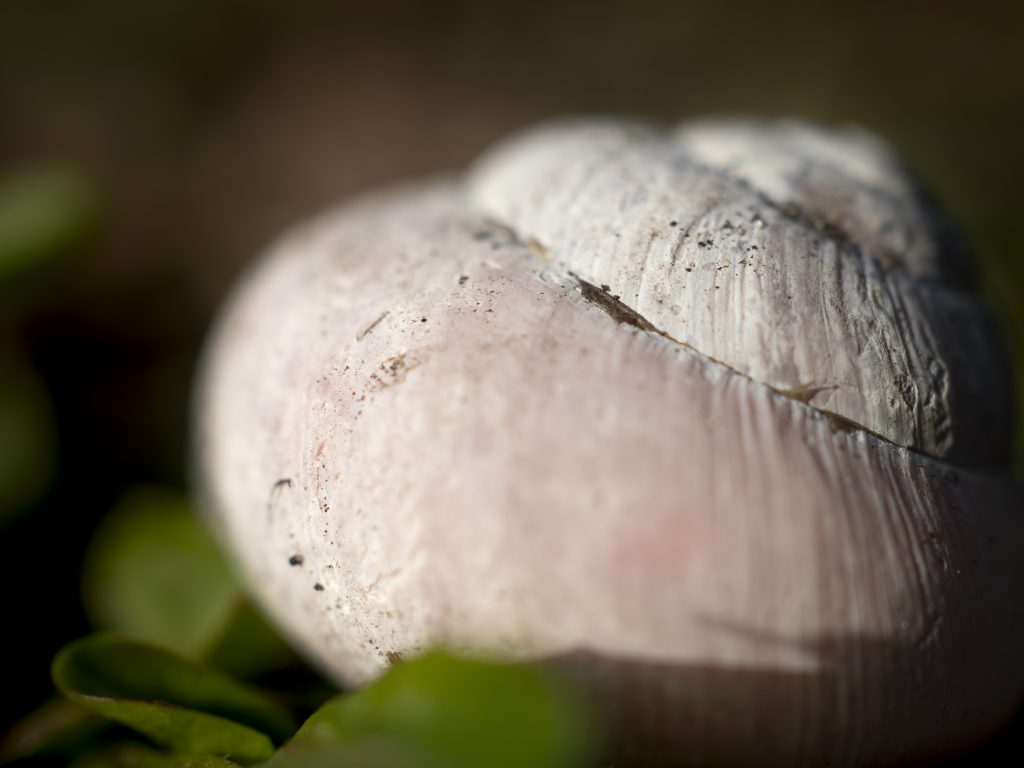
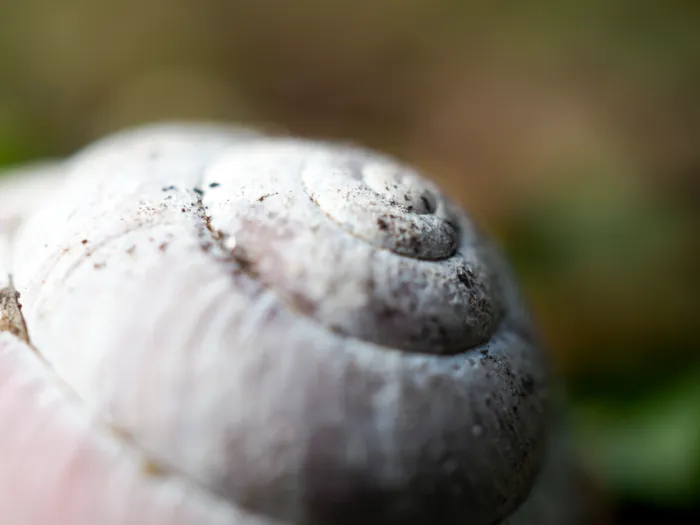
For the price, this lens delivers outstanding quality. Since it has the shortest focal length of the OM Digital Solutions macro lenses, you’ll also struggle less with shallow depth of field than with the other two lenses. In my opinion, it pairs best with an OM-5 or OM-5 Mark II. That said, it isn’t splash- or dust-proof.
The M.Zuiko 60mm F2.8
The oldest macro lens in the OM Digital Solutions lineup is the M.Zuiko Digital 60mm F2.8 Macro. It has the lowest magnification of the three, sits between the 30mm and the 90mm in price, and has the widest maximum aperture. That’s not particularly relevant for macro photography, though, since in most cases you need to stop down anyway to get enough depth of field. Combined with the OM System cameras’ focus stacking feature, this lens can still give you a creamy background with good depth of field where it counts, which helps create a distinctive look.
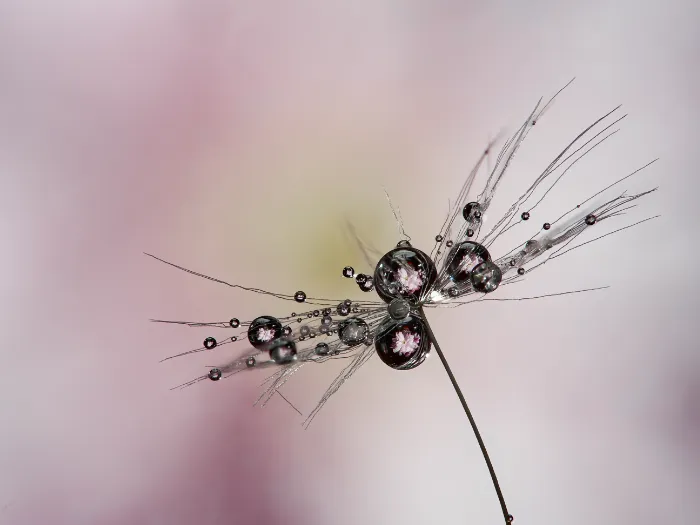
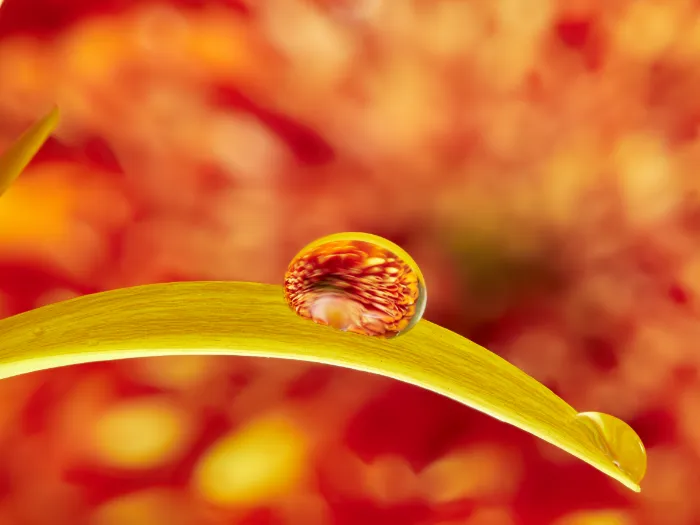
Some photographers also use these lenses for portraits. Personally, I think OM Digital Solutions’ lens lineup has better options for portrait work. On top of that, like all macro lenses, autofocus speed isn’t particularly fast. There are two features that make the 60mm macro easier to use than the other two lenses. First, there’s a distance scale showing you which magnification you get at a given distance, so you can manually set the magnification you want and then control focus simply by moving the camera back and forth. Second, there’s a small dial on the side that lets you limit the focusing range. It even has a dedicated position set exactly to 1:1, the maximum magnification, where you no longer need to worry about focusing at all.
The M.Zuiko 90mm F3.5 PRO OM System Macro Lens
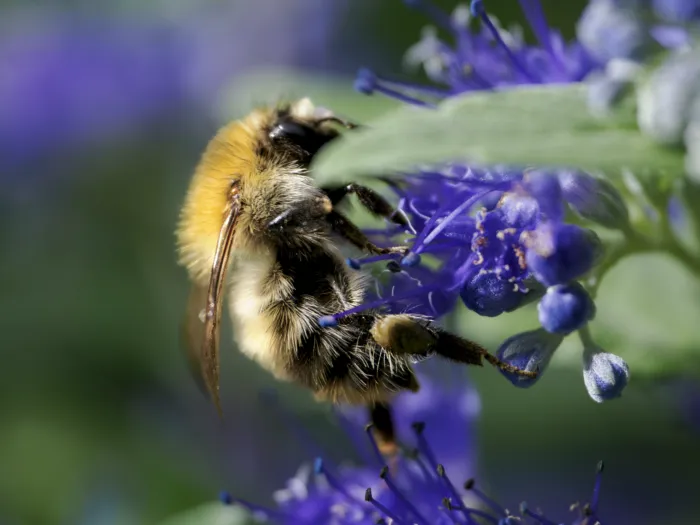
The 90mm macro is the newest of the three lenses, introduced in early 2023. Not only does it have the longest focal length, it also offers the best macro performance with 2x magnification. It’s also the only one of the three lenses compatible with OM Digital Solutions’ MC-14 and MC-20 teleconverters, which push it all the way up to 4x magnification. Because of its long focal length, it has a minimum focusing distance of 25 cm, which also makes it the best choice for insect photography since you don’t need to get as close to your subject.
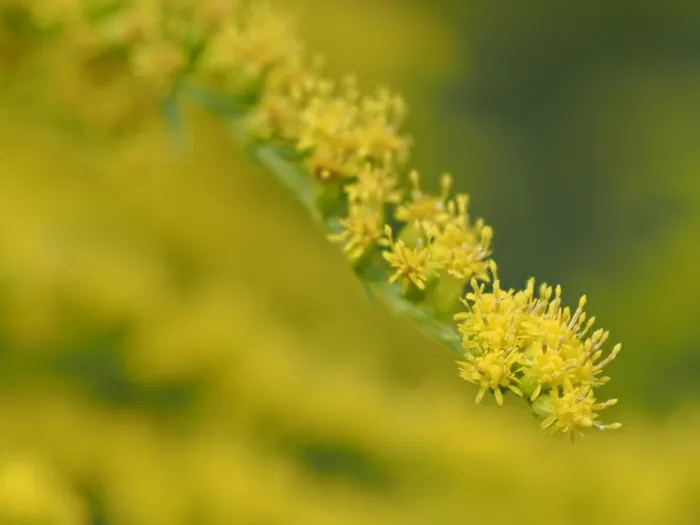
The Sync IS feature is a big help here too: it doesn’t just help you get sharp shots at slower shutter speeds, it also makes it easier to frame your shot, which matters a lot at this focal length and working distance, where even small movements have a big effect. I don’t think the image quality needs much discussion: it’s outstanding. What I have noticed, though, is that the long focal length makes handheld focus stacking, without a tripod, quite difficult. That works better with the other two lenses.
My Choice
For me, since I don’t shoot much macro, the 60mm is the best choice. Small and light with good magnification, it offers exactly what I expect from a macro lens. Serious macro photographers, though, won’t be able to get around the 90mm. It offers both the highest magnification and the greatest flexibility, and with its IP53 rating it also has the best splash and dust protection of the three. The 30mm is the one to recommend if you want to keep your system as small and light as possible.
Which lens do you have, and how happy are you with it? Share your experiences and photos in the comments. If you have your own website, send me the link. I’m planning to publish a page with recommendations for Micro Four Thirds-related websites soon.