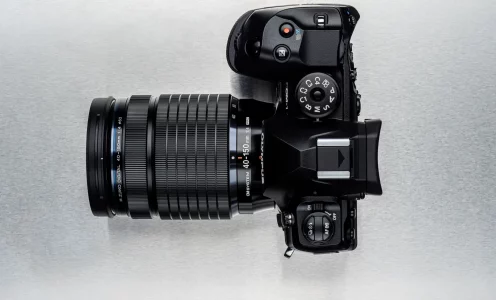

OM System OM-1 AI detection AF
With the OM-1, OM Digitalsolutions has taken intelligent object detection, introduced the OM-D E-M1X to a new level and called it “AI detection AF”. In …
With the OM-1, OM Digitalsolutions has taken intelligent object detection, introduced the OM-D E-M1X to a new level and called it “AI detection AF”. In …
Now it is official. One year ago announce The OM System OM-1 is officially introduced. With the OM-1 OM Digitalsolutions fading the Olympus ear out …
In the first years of digital photography only sensors, which were smaller in size than 35mm format (24x36mm2), have been available. As the normal user …
Normally in photography one tries to separate an object from the background with the help of the smallest possible depth of field. This helps to …
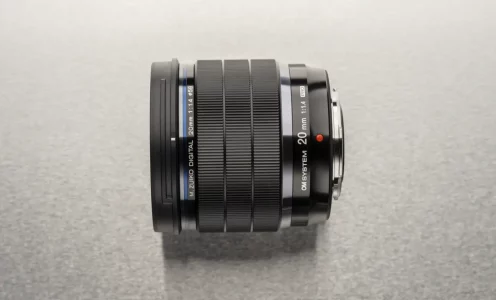
OM Digital Solutions introduced the M.Zuiko Digital ED 20mm F1.4 PRO today and some of you may ask yourself whether this lens is necessary. After …